




As February 7 approaches, anticipation is building around what government officials describe as one of the most significant infrastructure milestones in the country’s history. The government is set to officially inaugurate rural electrification projects covering 719 hinterland communities, a move expected to reshape social and economic life across large parts of the country.
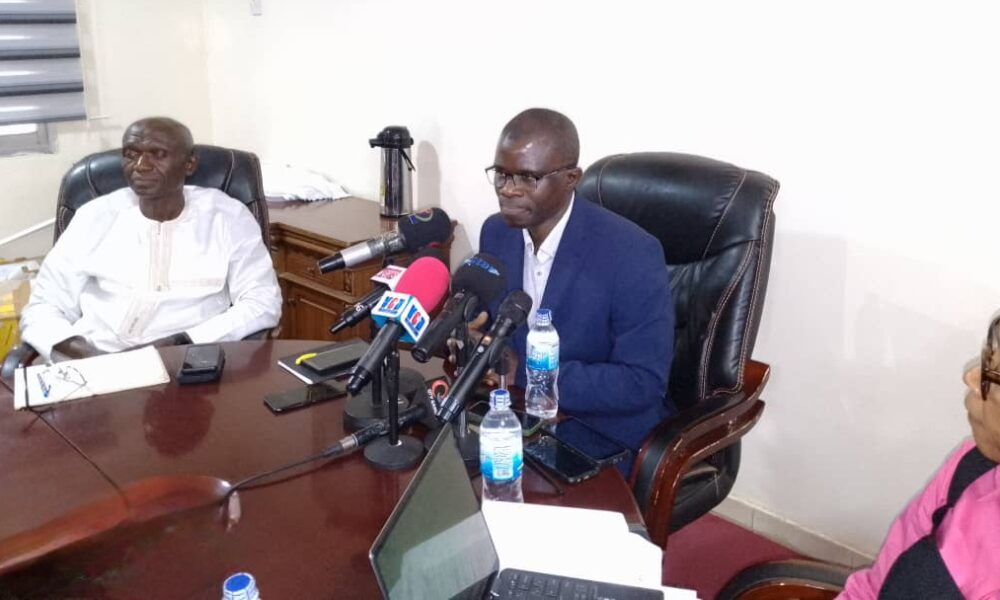
In an exclusive interview with JollofNews, the Minister for Petroleum, Energy, and Mines, Nani Juwara, said preparations are complete for the nationwide rollout, which he described as a transformative moment for both the energy sector and rural development.
“This is not just about wires and poles,” Minister Juwara said. “It is about dignity, opportunity, and fulfilling a basic human right. Access to electricity changes everything.”
The minister explained that the electrification drive is aimed at narrowing the long-standing gap between urban centres and rural communities. With reliable power, he said, rural economies can expand, health facilities can operate more effectively, and schools can offer improved learning environments.
“By bringing electricity to 719 communities, we are unlocking the economic potential of the hinterland, improving healthcare delivery, and transforming education for thousands of students,” he said. “Our commitment to national electricity access is unwavering.”
Minister Juwara outlined a detailed itinerary for the inauguration ceremonies, which will span several regions. Activities will begin in Njongon village, where all electrified communities in the North Bank Region will be officially inaugurated during a Saturday ceremony. The delegation will then proceed to Panchang Village in Central River Region North for a similar event.
From there, the tour will move to Basse, where communities already electrified in Wuli West and Sandu will be inaugurated. On February 10, the National People’s Party is also expected to hold a political rally in Gambissara.
The delegation will later visit Boyeram in Central River Region South on February 13 before proceeding to Sutukung village in the Lower River Region. Minister Juwara confirmed that President Adama Barrow will participate in all these events.
He added that on February 14, President Barrow and his delegation will visit Kampassa village in Foni and later attend another electrification inauguration in the Kombos.
Looking ahead, the minister said efforts are already underway to extend electricity access to communities that are not yet connected to the national grid, with the goal of reaching them before the end of 2026.
He also expressed gratitude to development partners for their support, singling out the World Bank for its role in financing the projects.
“We are deeply grateful to our partners, especially the World Bank, for bankrolling these landmark initiatives,” he said.
For many rural residents, electricity has long been considered a luxury rather than a necessity. The government believes this project will change that reality, positioning power as a key tool for economic growth and improved living standards in rural areas.
As the countdown to February 7 continues, anticipation is palpable across the beneficiary regions. For the 719 communities involved, the switching on of electricity represents more than light. It signals inclusion, opportunity, and a lasting place in the country’s development journey.