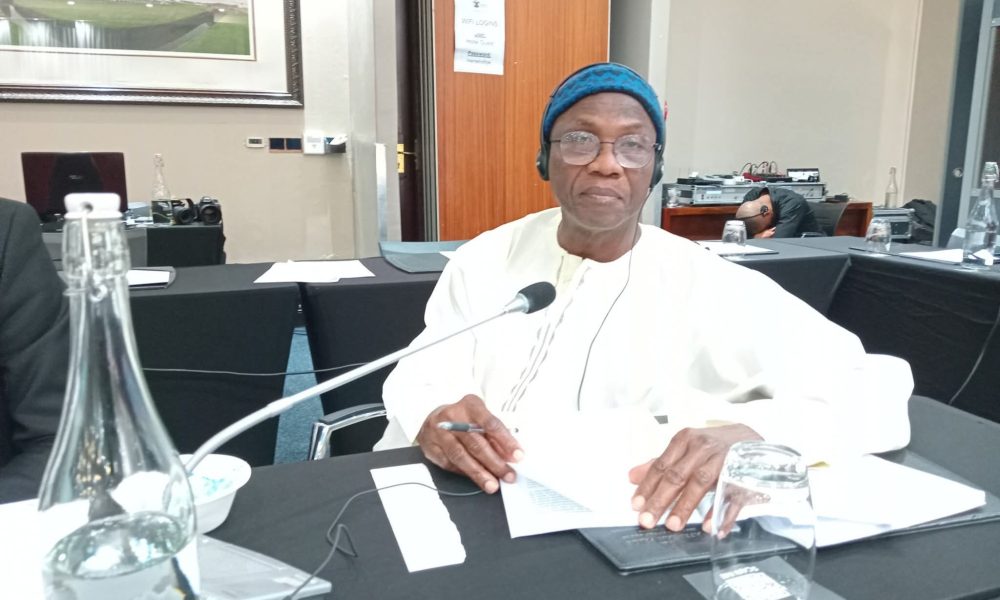

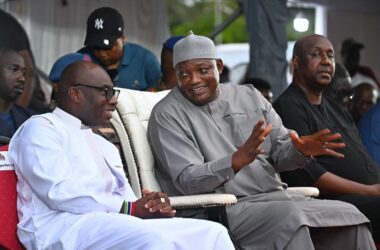
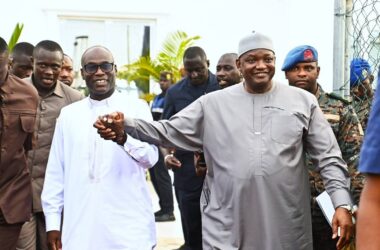
The People’s Democratic Organisation for Independence and Socialism (PDOIS) is open to forming a coalition ahead of the next presidential elections, but only under strict and clearly defined terms, according to its newly elected Secretary General, Hon. Suwaibou Touray.
Speaking on QTV’s State of Affairs in his first major television appearance since assuming the role, Touray said any future alliance must be grounded in detailed, written agreements to avoid a repeat of what he described as the “shattered” coalition experience following the 2016 elections.
His comments come amid growing public calls for opposition unity, as voters remain cautious after the collapse of past political alliances. Touray acknowledged this lingering distrust, noting that many Gambians are still grappling with the fallout from 2016.
Touray offered a realistic view of coalitions, describing them as temporary arrangements formed to address national crises rather than permanent political unions.
“In our type of country, coalitions are meant to solve crises,” he said. “When a crisis comes, you come together, you take over, you solve the crisis, and then you disperse. That’s how it should be, because parties do not have the same vision.”
He stressed that PDOIS is committed to change but will only engage in a coalition that prioritizes clarity, accountability, and stability. According to Touray, vague understandings and verbal promises are no longer acceptable.
To prevent future breakdowns, he outlined several non-negotiable conditions for coalition talks. These include a prior agreement on the distribution of seats and positions before assuming power, the full inclusion of each party’s program in the coalition document, and safeguards to prevent an incumbent president from unilaterally dismissing ministers nominated by coalition partners without parliamentary oversight or a formal inquiry.
“Everything must be stipulated in black and white,” Touray said. “We need to put things there that will make it very difficult for any incumbent to come and do whatever he or she wants.”
Beyond electoral victory, Touray emphasized that PDOIS views a coalition as a means to achieve deeper structural change. He criticized the current economic model, arguing that most tax and non-tax revenue is absorbed by bureaucracy and recurrent expenditure, leaving little room for meaningful development.
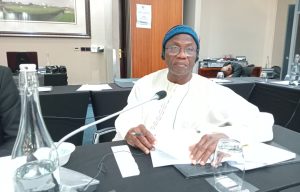
For PDOIS, he said, winning power without transforming how the Gambian economy works for its people would be pointless.
“A win without a program is meaningless,” Touray noted, adding that the ultimate goal is to ensure public resources are used to improve the lives of ordinary Gambians, not just to sustain the state machinery.
As coalition discussions continue to dominate political discourse, PDOIS appears determined to approach any alliance with caution, lessons learned, and firm conditions shaped by past experience.