


The Gambia on Wednesday began a nationwide supplementary voter registration exercise, a key milestone in preparations for the country’s 2026 electoral cycle.
The exercise, organised by the Independent Electoral Commission (IEC), will run for 44 days and end on May 21, 2026. Electoral authorities expect hundreds of thousands of eligible Gambians to register during the period, boosting the voter roll ahead of the presidential election scheduled for December 5, 2026.
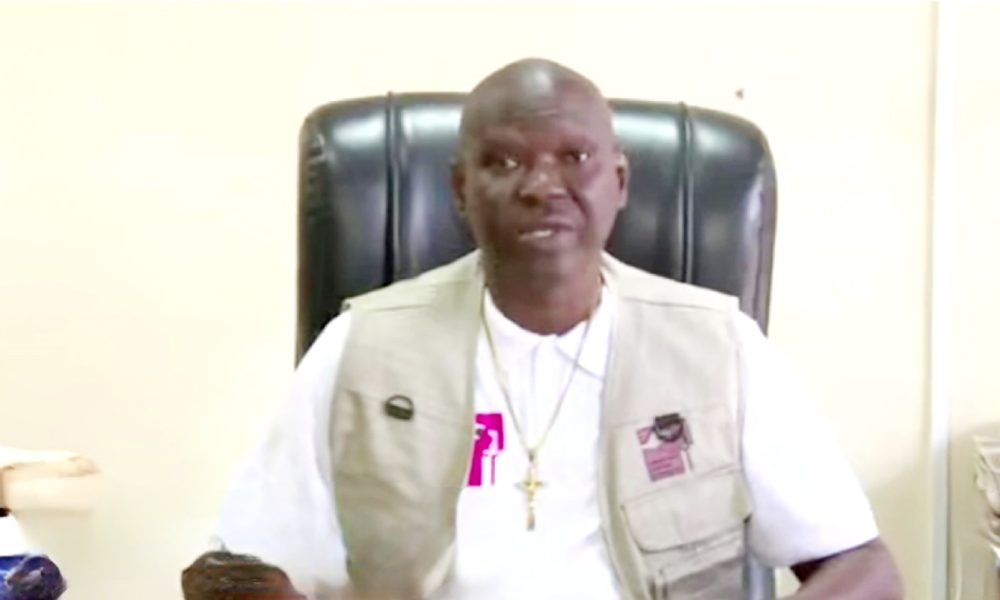
Speaking at the start of the exercise, IEC Chairman Joseph Colley called on eligible citizens to turn out in large numbers, stressing that voter registration is fundamental to a credible electoral process.
“The active participation of Gambians in this exercise will have a direct bearing on the success of the electoral process,” he said, urging citizens to make use of registration centres across the country.
IEC figures show that 962,157 voters were registered during the 2021 presidential election and the 2022 National Assembly polls. The commission is aiming to increase that number as it prepares for what is expected to be a competitive election season.
Incumbent President Adama Barrow, 61, is seeking a third term in office. Barrow, who first came to power in 2016, won re-election in 2021 after defeating opposition leader Ousainou Darboe.
Darboe, 78, leader of the United Democratic Party, is widely seen as Barrow’s main challenger once again. A veteran politician, he has contested the presidency five times and previously served in Barrow’s government as foreign minister and later vice president.
The upcoming vote will be the first without former IEC Chairman Alieu Momar Njie, who presided over the historic 2016 presidential election that saw long-time incumbent Yahya Jammeh defeated by Barrow the first time an incumbent lost power through the ballot in The Gambia.
Following the presidential election, National Assembly and Local Government elections are scheduled for early 2027, completing the country’s electoral cycle.
The IEC has reiterated that broad participation in the registration exercise will be critical to ensuring an inclusive and transparent democratic process.