
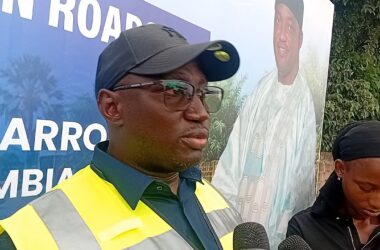

The Managing Director of the National Water and Electricity Company (NAWEC), Gallo Saidy, has attributed Gambia’s ongoing electricity crisis partly to climate change and geopolitical tensions in the Middle East, as the country continues to grapple with persistent power outages.
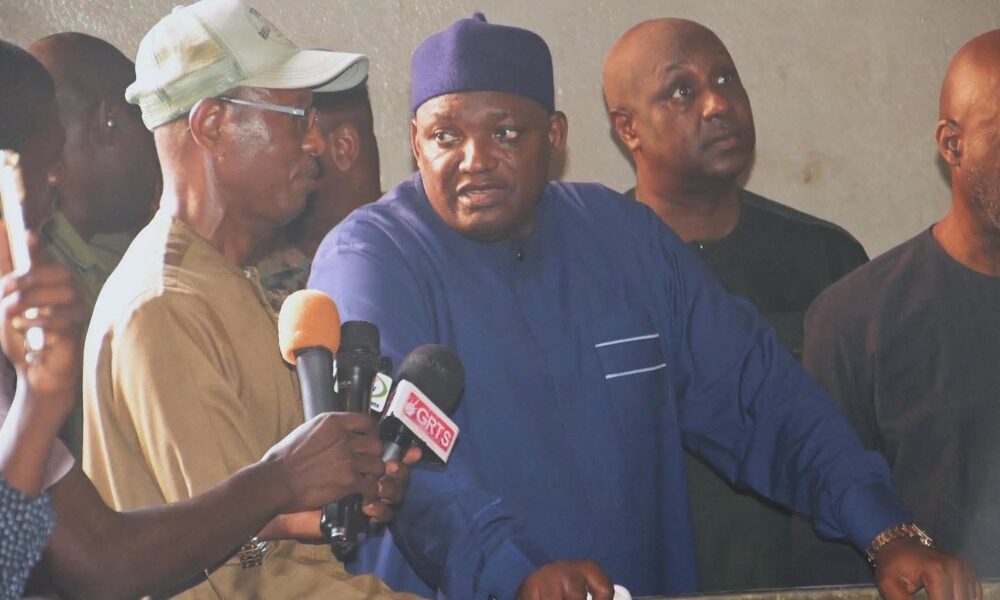
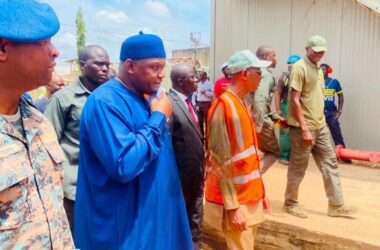
Saidy made the remarks during President Adama Barrow’s inspection tour of NAWEC facilities, where the President assessed the challenges affecting electricity generation and supply across the country.
Addressing journalists, the NAWEC boss acknowledged the growing frustration among Gambians but said the current power shortage should also be viewed within the context of wider regional energy challenges.
“We are aware of the situation; you can go and Google it for yourself. This is a regional problem, it is not only The Gambia,” Saidy said. “Everybody has a problem, but for us, we are not here to defend ourselves.”
He explained that The Gambia depends on several sources of electricity, including domestic generation and power imports from Senegal’s national electricity company, Senelec, as well as electricity supplied through the West African Power Pool via Guinea.
According to Saidy, reduced water levels at hydroelectric facilities in the region have significantly affected the amount of electricity available to Gambia compared with the same period last year.
“If you ask me, the biggest [threat] to this power is climate change and the war in the Middle East,” he said.
“This time last year, we were getting about 70 to 80 megawatts from Guinea because the dams were full, but this time the rains are not there. We have no control over it, but to mitigate that, we are working 24/7 to address the situation.”
Saidy’s comments come as prolonged power cuts continue to disrupt households, businesses and essential services across the country, prompting growing public demands for urgent government intervention.
The NAWEC Managing Director said the company was fully aware of the hardship caused by the outages and appealed to the public to remain patient while technical teams work to stabilize the national electricity grid.
“We are aware of the frustration the Gambian people are going through,” he said. “We are asking the Gambian people to give us time. It is not our desire to see people getting frustrated.”
He added that NAWEC was focused on practical measures rather than simply offering assurances to the public.
“As the President said, we are trying to do the work and get things done, not to tell you nice words,” Saidy said.
President Barrow’s inspection tour comes amid mounting pressure on the government to find immediate solutions to the country’s electricity supply problems. NAWEC management says emergency interventions and round-the-clock efforts are continuing as authorities seek to restore greater stability to the national power system.
While climate and regional energy constraints have contributed to the current situation, the continuing outages have intensified scrutiny of The Gambia’s electricity infrastructure and the country’s long-term energy security.
The latest developments are expected to place further emphasis on increasing domestic generation capacity, strengthening regional power connections and reducing the country’s vulnerability to external supply disruptions.