



In the coastal town of Gunjur, the air was thick with song, color, and conviction. Supporters of the National Unity Party gathered in their thousands, waving banners and chanting slogans, as Dr. Lamin J. Darbo, lawyer, scholar, and now flag bearer, stepped onto the stage with the calm authority of a man who knows the weight of history. His rally was not a mere political outing; it was a declaration of principle, a summons to conscience, and a verdict against corruption.
Darbo’s words rang out with the clarity of counsel delivering judgment: “My leadership will ensure transparency, but anyone found stealing or violating the laws of the country will be dealt with according to the law.” The crowd erupted, not only in applause but in recognition of a truth long denied—the demand for accountability in a nation weary of impunity. In that moment, the rally became a courtroom of the people, and Darbo’s message a binding order: corruption will face justice, and the republic will be defended.
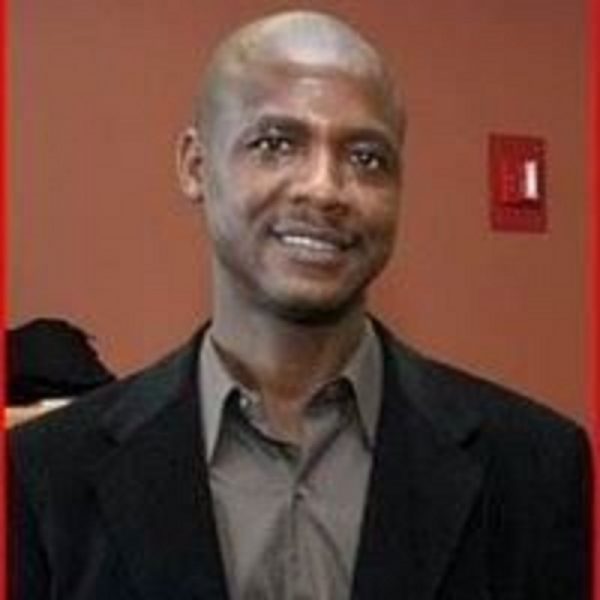
This was more than campaign rhetoric. It was a moral covenant. For decades, Gambians have watched as public funds were looted, institutions weakened, and trust betrayed. Darbo’s warning was not couched in vague promises; it was sharp, direct, and uncompromising. He spoke as Senior Counsel, but also as a citizen determined to restore dignity to governance. His vow of “tough action” against corruption was not a threat; it was a verdict, already delivered in the hearts of the people.
Critics have accused him of rushing into presidential ambition, but Darbo’s rebuttal was equally forceful: “Those saying that Lamin J. Darbo is in a hurry to become president do not love this country; they are only pursuing their own interests.” With that, he reframed urgency as patriotism, ambition as duty, and leadership as service. His entry into the political arena after resigning from the United Democratic Party was not opportunism—it was principle. It was the recognition that the nation cannot afford delay when corruption corrodes its foundations.
The symbolism of Gunjur was deliberate. Just as soldiers in December 1914 laid down their arms in the spirit of Christmas to affirm humanity amidst war, Darbo’s rally called Gambians to lay down cynicism and division, and to embrace unity, constitutional fidelity, and civic responsibility. His campaign is not simply about votes—it is about elevating the national conversation, protecting democratic institutions, and ensuring that the law is not a tool of the powerful but a shield for the people.
The rally’s cadence was unmistakable: opening chants of unity, mid-rally declarations of constitutional fidelity, and a closing crescendo that left the crowd echoing his words long after the stage lights dimmed. It was a spectacle of color, yes, but also of conscience. It was a reminder that politics, at its best, is not about personalities but about principle, not about expediency but about legacy.
Dr. Lamin J. Darbo’s rally in Gunjur was therefore more than a launch—it was a verdict. The law, he insists, is clear. The Gambia must stand tall. His leadership promises transparency, accountability, and justice. His campaign summons Gambians to a higher calling: to defend the republic, to reject corruption, and to embrace unity.
In Gunjur, the people did not merely applaud a politician. They affirmed a counsel who speaks with the authority of law and the urgency of history. The verdict has been delivered: corruption will face justice, unity will be defended, and democracy will be protected.