


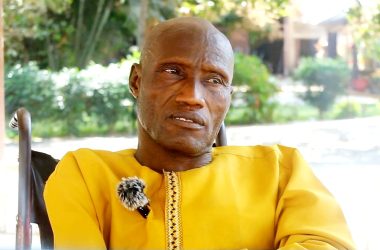

A former interior minister under Yahya Jammeh has appeared before a Swiss appeals court in a case that continues to resonate strongly among Gambians at home and in the diaspora.
Ousman Sonko, who served as a powerful figure in Jammeh’s government until his dismissal in 2016, is challenging his 2024 conviction for crimes against humanity. The proceedings are taking place at Switzerland’s Federal Criminal Court in Bellinzona, where hearings resumed on Monday.
Sonko was found guilty last year of homicide, torture and false imprisonment for offences committed between 2000 and 2016. The conviction marked a significant moment for many Gambians, as he became the highest-ranking former official from the Jammeh era to be tried and convicted in Europe under universal jurisdiction, a legal principle that allows courts to prosecute grave international crimes regardless of where they occurred.
Five of the 10 Gambian plaintiffs attended the hearing in person, sitting in the courtroom alongside Sonko and witnesses, according to those present. Their presence underscored the human impact of the case, with many victims and families still seeking justice years after the end of Jammeh’s rule.
Sonko’s lawyer, Philippe Currat, argued that the case should not proceed on legal grounds, telling the court that some of the alleged offences took place before Switzerland introduced the relevant legislation in 2011. He said the conditions for prosecution had not been met. The defence also noted that Sonko has already spent more than nine years in detention.
At the same time, prosecutors and civil parties are pushing for a tougher outcome. They are appealing the original ruling in a bid to increase Sonko’s 20-year sentence to life imprisonment and to expand the conviction to include sexual violence, after he was acquitted of rape in the initial trial.

Hearings are expected to continue until at least April 17. A further appeal remains possible after the verdict, although such proceedings would typically take place without public hearings. For many Gambians following the case, the outcome is seen as another important step in the long search for justice and closure.