
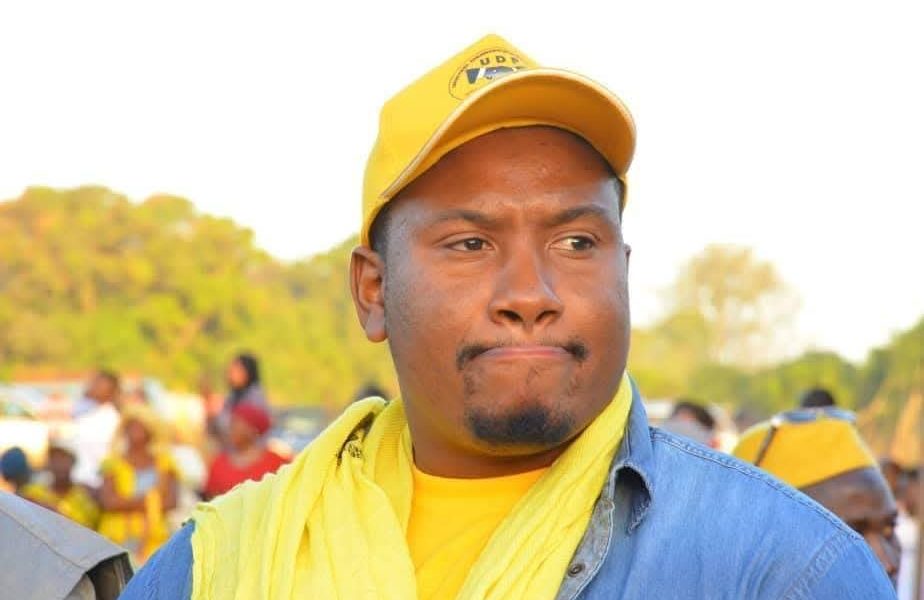

When it finally became apparent a few months ago that Talib Bensouda was nursing a presidential ambition, many supporters of the main opposition United Democratic Party (UDP) jumped to the conclusion, without hard evidence, that the young mayor had set out on digging his own political grave.
However, it now appears that these opposition voices have been presented with preponderance of evidence around their assertion.
The Standard newspaper on Thursday quoted the Election House as saying that the application sent to the IEC by the Unite Movement for Change (UMC) for registration as a bona fide political party has been “turned down” for falling short of the IEC’s threshold.
The Bensouda-led UMC has officially responded to the report but the response failed to address the crux of the matter, which is the movement’s inability to provide 10,000 voter’s cards to the election management body. The 10,000 cards requirement is not optional for registration of a political party.
The question that readily comes to mind is: if the UMC cannot garner 10,000 voter’s cards, which will constitute just a miniscule of the total number of votes expected to be cast in the general election less than 11 months away, then how bright is its electoral prospect?
This development will come to many political analysts and operators, especially Hon. Hamat Bah as a huge surprise. Like Minister Bah, some shrewd politicians and political commentators have not been underrating Bensouda’s ability to upset the applecart. But his movement’s inability to meet IEC’s basic requirement of 10,000 cards will undoubtedly change the complexion of our country’s political discourse.
The questions that many now ask are: Did Talib overplay his hands when he resigned from his position in the UDP to form the UMC? And is he really quickly fading into political oblivion a few months after going away with many former UDP officials and supporters? How about his “electability”, which has always been his supporters’ hobbyhorse on social media platforms?
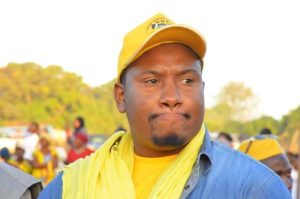
Interesting times in Gambian politics and days ahead may even prove more interesting.
When will you have an editorial that is critical of Ousanou Darboe or the UDP. iT is all about Bensouda or Halifa or PDOIS or NPP or Barrow. Stop your biases!