
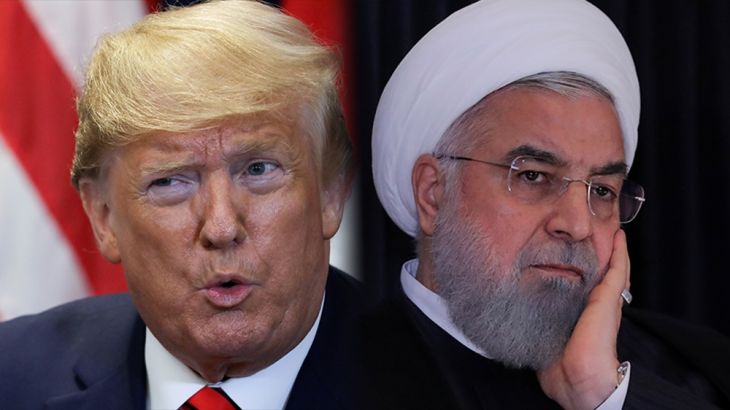


The diplomatic clock is now ticking in the loudest way possible. With indirect talks between Washington and Tehran faltering, the world edges toward a war whose consequences would be neither regional nor temporary. What once sounded like contingency planning now looks like operational readiness. Statements from senior U.S. officials, including President Donald Trump, Vice President JD Vance, Secretary of State Marco Rubio, and Secretary of War Pete Hegseth, signal impatience with diplomacy and a growing faith in coercion. Tehran, for its part, rejects terms it sees as surrender dressed up as negotiation. The impasse is real and the danger immediate.
Fresh developments underline how thin the line between diplomacy and conflict has become. On 27 February, President Trump was formally briefed on the inconclusive Geneva channel, ostensibly closing what remained of indirect dialogue with Iran. Almost simultaneously, the United States has sent the aircraft carrier USS Gerald R. Ford steaming toward the Gulf to thicken an already formidable naval presence. In another unmistakable sign that contingency planning is slipping into operational posture, Washington ordered the evacuation of non-essential embassy staff from Israel, while the United Kingdom temporarily shut down its embassy operations in Iran. Reports have also circulated about possible reductions in the Kazakhstan mission in Tehran, despite another round of talks schedules in Geneva on Monday. These, in my book, are not gestures of routine caution but the obvious choreography of pre-conflict positioning.
This is precisely the moment when restraint must be louder than rhetoric. War with Iran would not resemble a limited strike followed by tidy de-escalation. It would explode along oil routes, fracture shipping lanes, and inject panic into food and energy markets. It would send refugees across borders already strained by previous conflicts. And it would widen the fault lines of an international system that has lost its habit of consultation.
Encouragingly, many Arab and non-Arab states have begun to say what must be said, that the guns should remain silent. Saudi Arabia and Egypt warn of regional chaos if war erupts. Qatar and Oman continue to press for mediation. Kuwait and the United Arab Emirates speak openly of the economic shock that would follow. Beyond the Arab world, Iraq and Jordan fear becoming collateral geography. Major powers such as China and Russia urge negotiations; the European Union worries aloud about energy and migration; and even the United Kingdom has reportedly resisted facilitating an attack. Turkey, with channels to both sides, keeps its diplomatic lines open.
Africa, however, remains conspicuously mute.
This silence is not prudence but perilous neglect. A Middle Eastern war would ripple through African economies with brutal effect. Fuel prices would soar, fertilizer would grow scarce, bread would become dearer, and currencies would weaken. The poorest households would pay first and longest. Fragile states would absorb shocks they did not create. In such circumstances, neutrality is not a shield but an alibi for inaction. The African Union should urgently convene an extraordinary ministerial session to articulate a collective African position demanding a halt of the march to war, extend the talks, separate maximalist demands from verifiable, reciprocal steps, and empower mediators to bridge the technical gaps.
There is precedent for such moral clarity. Recently, The Gambia’s Foreign Minister, Sering Modou Njie, chaired an emergency meeting of the Organization of Islamic Cooperation (OIC) and rightly reaffirmed the centrality of the Palestinian cause. Yet one must ask: should an imminent war that threatens to redraw the map of stability not command an even more urgent OIC ministerial focus? Israeli settlement expansion, grave as it is, has persisted through decades of resolutions and condemnations. A looming U.S.-Iran confrontation, by contrast, is a fast-approaching storm. Symbolic calendars should not outrank existential alarms.
Diplomacy still has tools left. A temporary freeze on enrichment levels matched with phased sanctions relief; intrusive inspections tied to reciprocal security assurances; and a separate channel for missile issues that does not poison the nuclear file, are not fantasies. They are the architecture of compromise. The alternative is the architecture of ruins.
History offers stern instruction. Iraq and Libya taught us that wars launched on promises of speed and precision often end in years of disorder and rivers of displacement. Iran’s population and geography mean the spillover would be larger still. To pretend otherwise is to gamble with continents.
What now unfolds is no longer speculative strategy but visible mobilization: carriers moving, diplomats withdrawing, and leaders absorbing briefings that suggest diplomacy is running out of runway. In such a moment, Africa must do what it has too often postponed, speak with one voice when others prepare to speak with weapons. A joint AU communiqué, coordinated statements by foreign ministers, and active engagement with Arab mediators would not stop a war by themselves. But silence guarantees irrelevance.
The narrow road of diplomacy remains open, barely. The wide highway of war is already crowded with armor and aircraft. This is the last mile where conscience can overtake momentum. In a season when faiths preach restraint and statesmen invoke reason, Africa should add its weight to the scales of peace.
Before the missiles do the talking, let the continent find its voice.