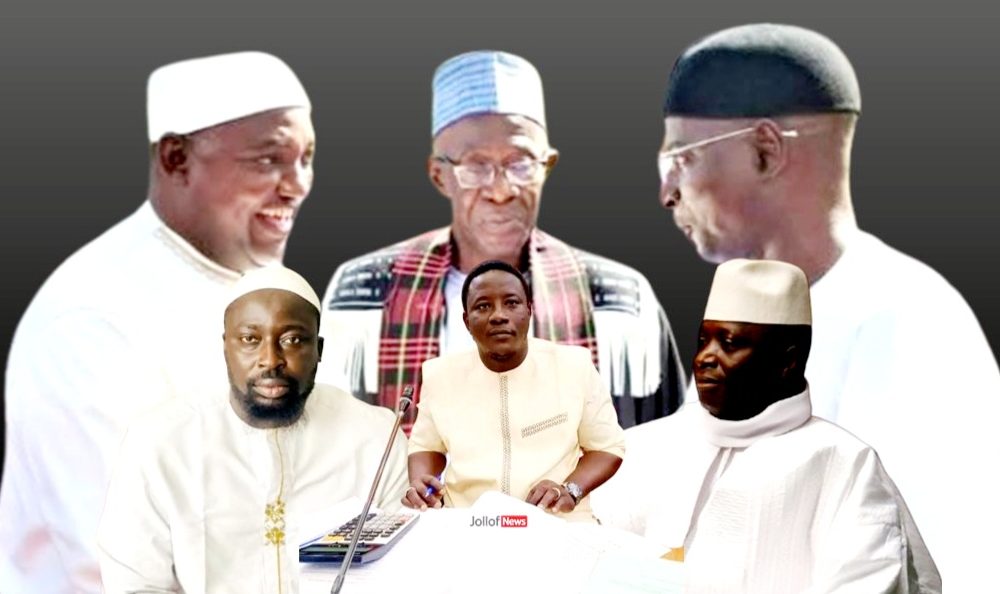

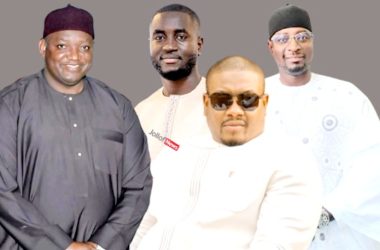
A routine sitting of the National Assembly burst into a sharp political clash on Thursday after Lower Saloum lawmaker Sainey Jawara described former President Yahya Jammeh as a threat to national security. His remarks immediately drew a strong reaction from Foni Kansala representative Almamy Gibba, who dismissed the claim and turned his criticism toward the Assembly’s leadership.
Gibba challenged Jawara’s position by questioning why, if Jammeh was considered a danger, those who once served closely under him now occupy the highest seats in the legislature. His remarks triggered objections across the chamber, with several lawmakers arguing he was unfairly drawing parallels between Assembly leaders and the former head of state.
Deputy Speaker Seedy Njie stepped in to restore order, urging Gibba to avoid insinuations about the speaker or the deputy speaker. Njie reminded him that suggesting either leader posed a security threat was out of line and had no basis in the debate at hand.
Gibba remained firm. He argued that both the speaker and deputy speaker had been loyal to Jammeh during his 22-year rule and questioned why the former president’s return should now be framed as a danger when members of the current government once worked alongside him. He pointed to past events, including the return of Gambians involved in the 2014 attempted coup, who he said were received warmly after Jammeh left office.
He also referenced comments President Adama Barrow made in Sukuta last year, where Barrow likened Jammeh’s APRC to his “wife,” suggesting a close political relationship. Gibba used that remark to press the government on why Jammeh is still treated as a divisive figure while many of his associates continue to hold influence.
The fiery exchange highlighted long-standing tensions that still run through Gambian politics. Nearly nine years after Jammeh’s departure, lawmakers remain split over how to address his legacy, his loyalists, and the wider question of reconciliation.
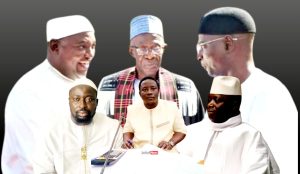
Thursday’s session again showed how quickly those unresolved issues can push the Assembly into open confrontation, reflecting the country’s ongoing struggle to balance its past with its political present.