
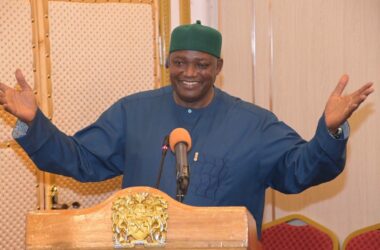
President Adama Barrow has criticised newly established political parties in The Gambia, accusing some of being driven primarily by personal interests rather than a genuine commitment to serving the Gambian people.
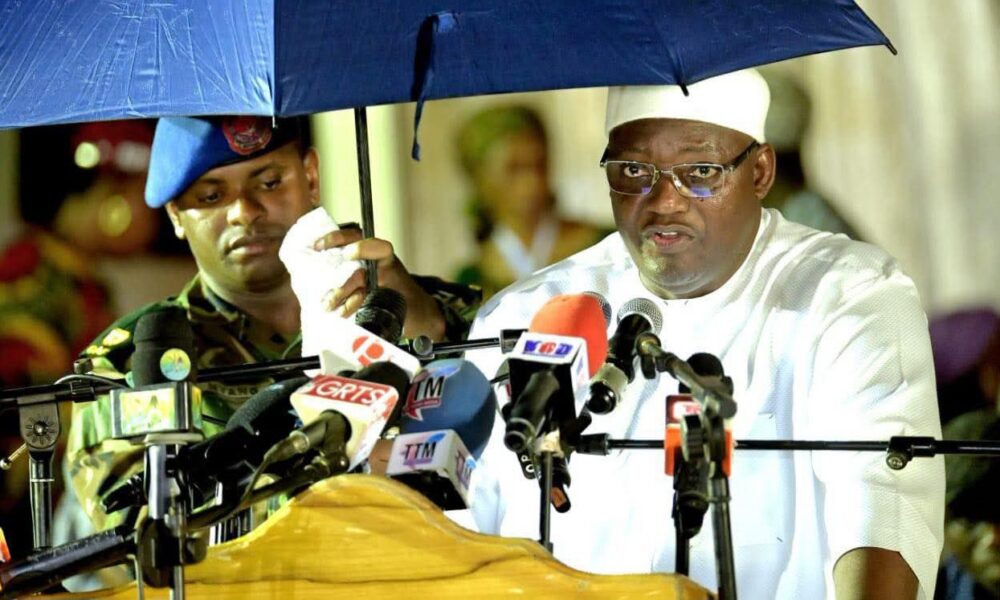
The President made the remarks on Monday while addressing residents of Njau Village in the Upper Saloum District as part of his ongoing nationwide tour.
President Barrow urged citizens to carefully scrutinise the growing number of political parties and movements emerging ahead of the 2026 presidential election, warning that some of them, in his view, lack a proper understanding of the realities facing ordinary Gambians, particularly farmers.
“There are newly established political parties which you should all be mindful of. Most of them are capitalist driven and prioritise their personal interests. They don’t know the interest of farmers, nor do they know the interests of the Gambian people,” President Barrow told the gathering.
The President’s comments appeared to target political movements seeking to expand their influence ahead of the upcoming election, as the country’s political landscape becomes increasingly competitive.
Barrow also questioned the grassroots credentials of some political leaders, particularly their understanding of agriculture and the daily challenges confronting rural communities.
He challenged residents to put politicians who visit farming communities to the test by taking them to their farms.
“When they come, take them to your farms and see if they can even distinguish the grain from the chaff,” he said.
The President used the farming analogy to stress that political leadership, in his view, should be grounded in an understanding of the livelihoods and challenges of the communities leaders seek to represent.
Agriculture remains a major source of livelihood for Gambians, particularly in rural areas, making the sector a central issue in political discussions about economic development, food security and poverty reduction.
President Barrow’s remarks come at a time of heightened political activity ahead of the December 2026 presidential election, with several established and emerging political parties positioning themselves to compete for political influence and, potentially, the presidency.
His criticism is likely to intensify the political debate over the experience, credibility and grassroots connections of the various political actors seeking the support of Gambian voters.
As campaigning and political mobilisation gather momentum, the question of which parties can best demonstrate a genuine understanding of the concerns of ordinary Gambians particularly those in rural communities is expected to remain a key issue in the electoral discourse.