
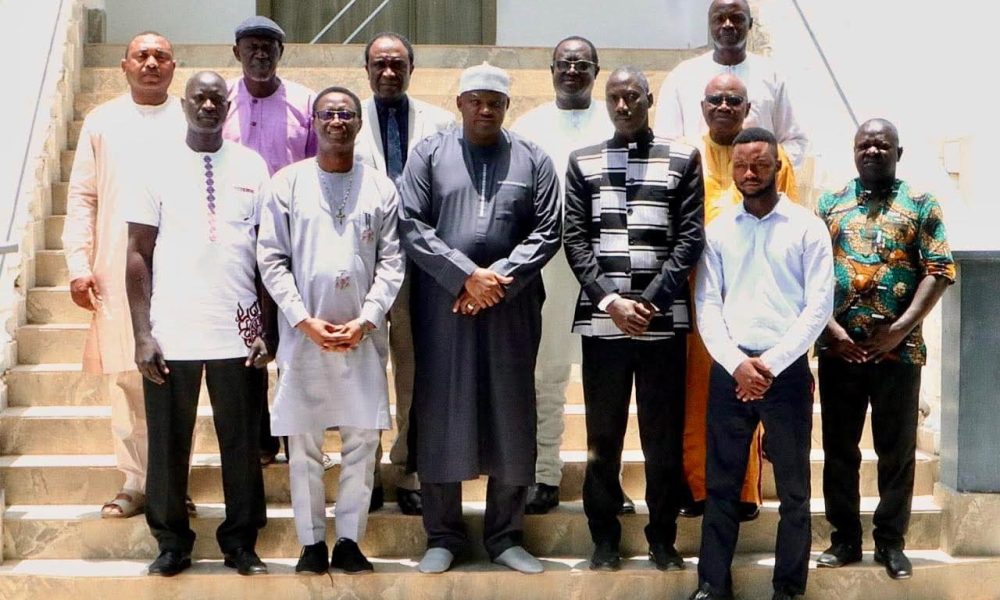


Influential Manjago figures such as Alkalolu and GAFNA boss Yusupha Gomez were on Wednesday at the Presidency, where they met and discussed with the Gambian leader issues, they said, were affecting the Manjago communities in Kombo South such as “grabbing of their ancestral lands”.
However, the question that jumped to my mind when I heard what the Manjago representatives told Mr. Barrow is: Do Manjagos really have ancestral lands in Kombo South to be grabbed?
Kombo South is one of the few districts in The Gambia, where one can find a decent number of Manjago settlements.
Kachumeh, Sambuyaa, Nyantang Faraba, Sandally, Taaneneh, Baatoo Manjagoluyaa at the Gunjur seaside and Kunkujang Mariama are some of the major Manjago settlements in Kombo South, but the question is: When and how were these settlements created?
The main reason for the creation of some of these Manjago settlements in Kombo South is Islam. The early Manjago settlers in Kombo South were farmers, palm wine tappers and pig breeders. When most of them migrated to Kombo South from Guinea Bissau around the 1950s or even further down the century, jihadist Kombo Sillah had already succeeded in entrenching Islam in Gunjur and surrounding villages. The Manjagos’ way of life and animism, therefore, made it impossible for them to integrate in Kombo South settlements. But the elders of Kombo South would not abandon their Manjago brothers, despite the difference in culture and religion. The elders of Kombo South then allowed them to settle on their lands, practice their religion freely and lead their lives normally. Most of these lands were later given to the Manjagos at no cost. Taaneneh village came into existence as a result of the magnanimity of the Barrow family of Gunjur. Kunkujang Mariama village was built on the ancestral land of the Jabang family of Tujereng.
My grandmother Sandally Sawo was the first human being to be born in the Manjago settlement of Sandally well before the first Manjago settler came there. The area was used for rice growing by the Gunjur clan of Saho Kunda.
Another major Manjago settlement in Kombo South is in Gunjur called Baato Manjakoluyaa. The land was given to the fathers of the Manjagos there by the Sanyang family of Gunjur Doomung.
This is how all these Manjago settlements came into existence in Kombo South.
So, which ancestral lands are Manjagos talking about?
Let our Manjago brothers and sisters be grateful and maintain the peace. Much of muchness is too much!
Disclaimer: Views expressed in this piece do not represent the editorial position of JollofNews.