
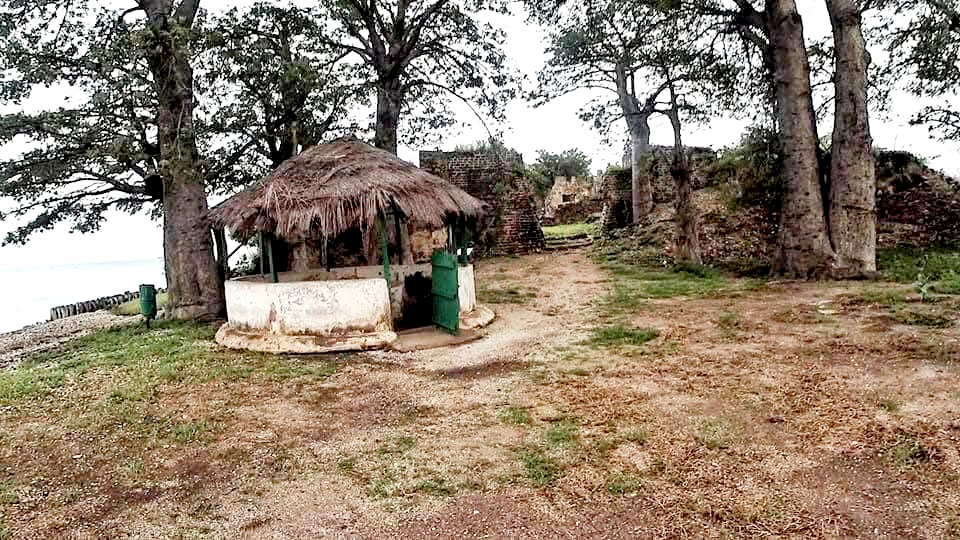




The Gambia Tourism Board (GTBoard) has announced a major initiative to protect the UNESCO World Heritage Site of Kunta Kinteh Island from the growing threat of climate change while upgrading nearby historic communities into internationally recognised cultural tourism destinations.
Speaking during a question-and-answer session, GTBoard Director General Ida Jeng Njie acknowledged that the island is facing increasing pressure from rising sea levels, strong wave action, and coastal erosion, all of which threaten one of The Gambia’s most significant historical landmarks.
She said the government has secured funding through the Tourism Diversification and Resilience in The Gambia Project (TDRGP), a World Bank-backed programme aimed at strengthening the country’s tourism sector and improving climate resilience.
“We are aware of the impact of the waves on the island,” Njie said. “The feasibility work is currently ongoing to determine exactly what actual structural work needs to happen to ensure the island is fully protected.”
The ongoing feasibility assessment will determine the engineering solutions required to safeguard the island, which holds immense historical significance as a symbol of the transatlantic slave trade and a key site in global African heritage.
Beyond protecting the island itself, the TDRGP will also focus on revitalizing the historic communities of Juffureh and Albreda, creating enhanced cultural spaces capable of welcoming more visitors while preserving their rich historical identity.
According to the GTBoard, the project aims to improve the overall visitor experience by developing the surrounding heritage sites into vibrant cultural hubs that celebrate Gambian history and traditions.
Njie said the initiative is progressing steadily, with major construction and restoration works expected to be completed by the end of next year.
“It is an ongoing project, and hopefully, by the end of next year, these major works should conclude,” she said.
The planned interventions are expected to strengthen The Gambia’s ability to protect one of its most treasured heritage sites from climate-related risks while expanding opportunities for sustainable tourism and local economic development.
Once completed, the project is anticipated to boost visitor numbers, create employment opportunities for local communities, and position the North Bank Region as one of West Africa’s leading cultural tourism destinations.
Kunta Kinteh Island, inscribed as a UNESCO World Heritage Site in 2003, remains one of Africa’s most powerful historical monuments, attracting visitors from across the world seeking to understand the legacy of the transatlantic slave trade.
Government officials believe that preserving the island and investing in the surrounding communities will not only safeguard an irreplaceable piece of history but also ensure that future generations continue to benefit from its cultural, educational, and economic value.